From the Run For Earth site
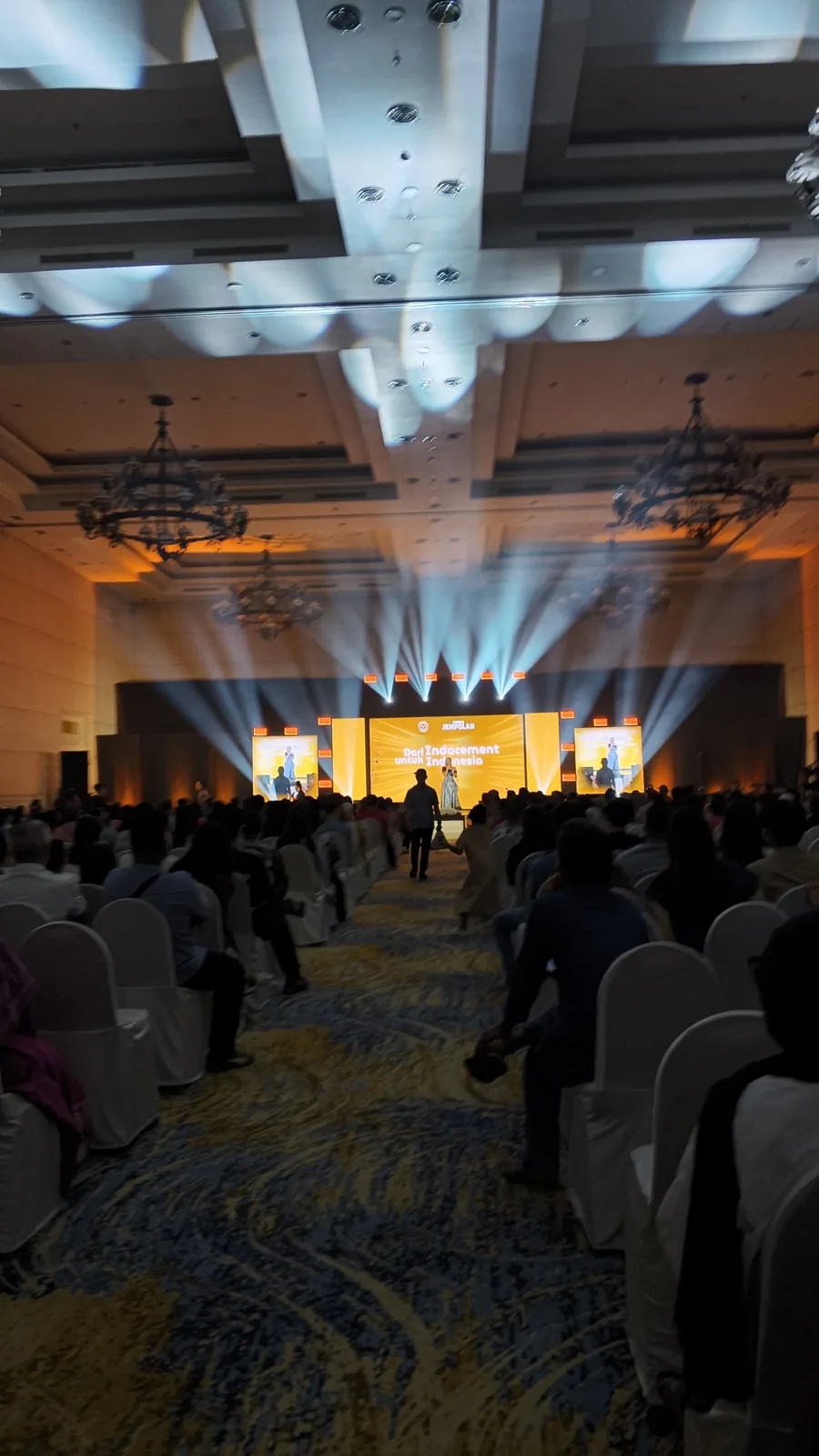
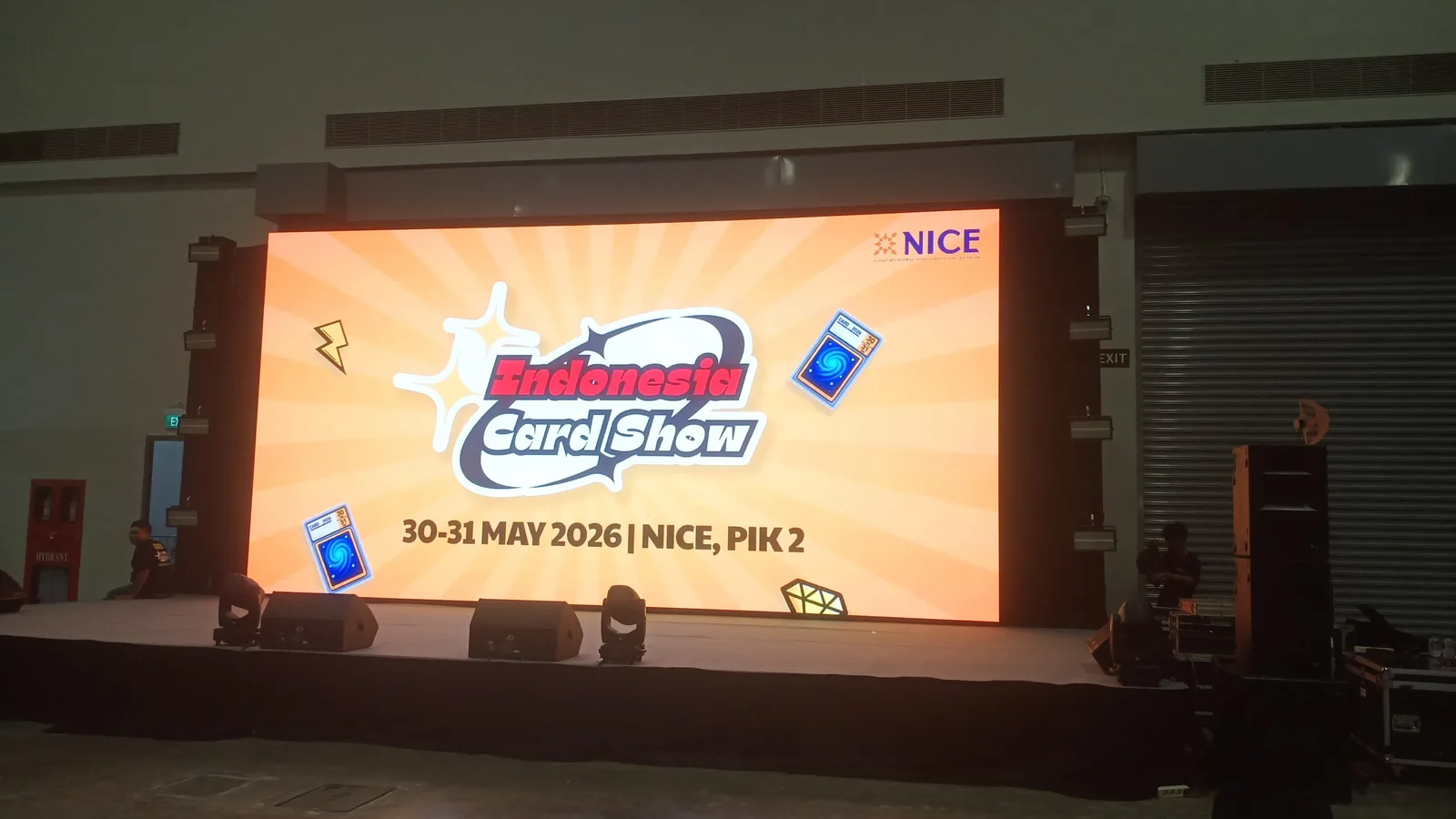
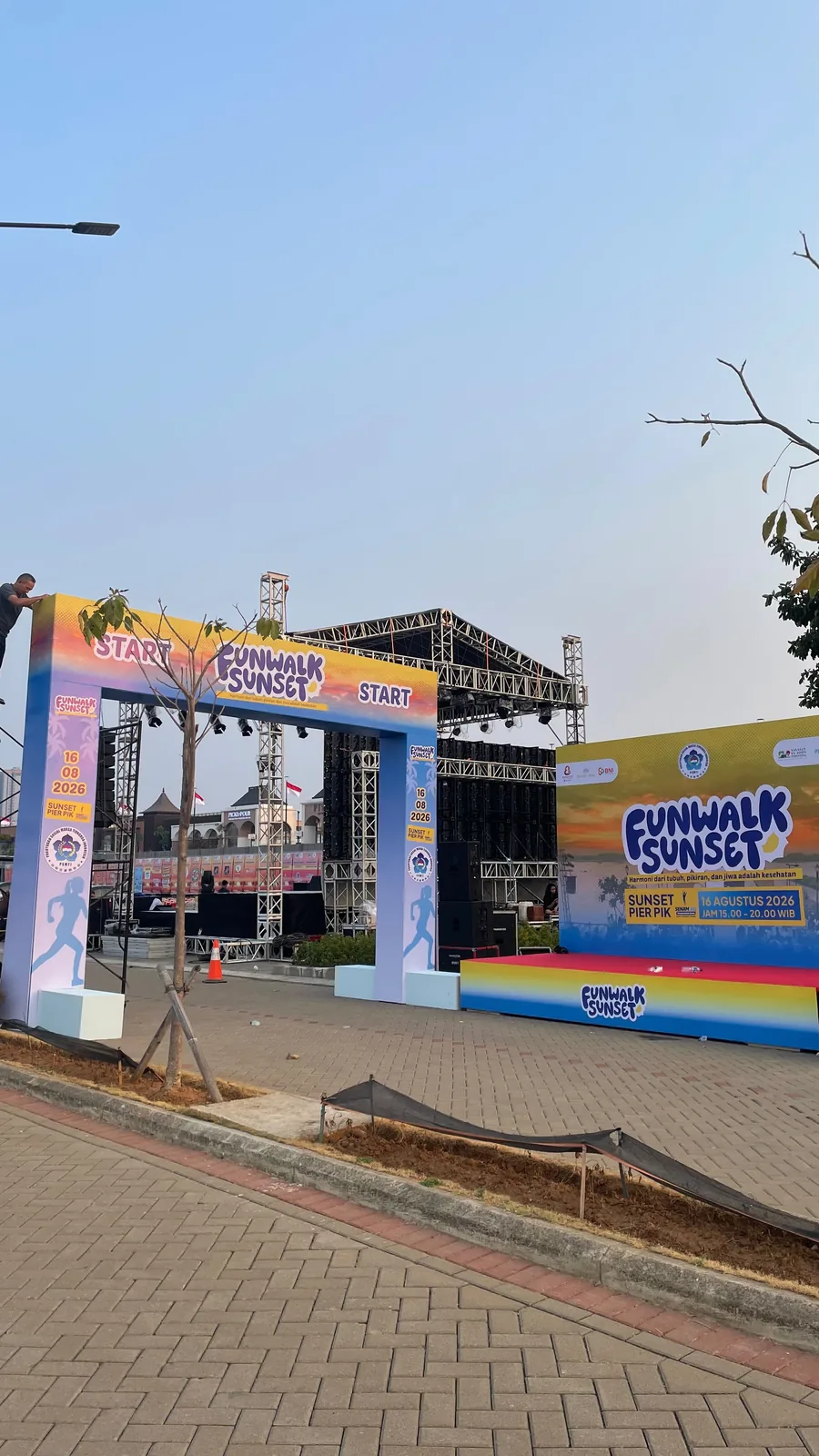
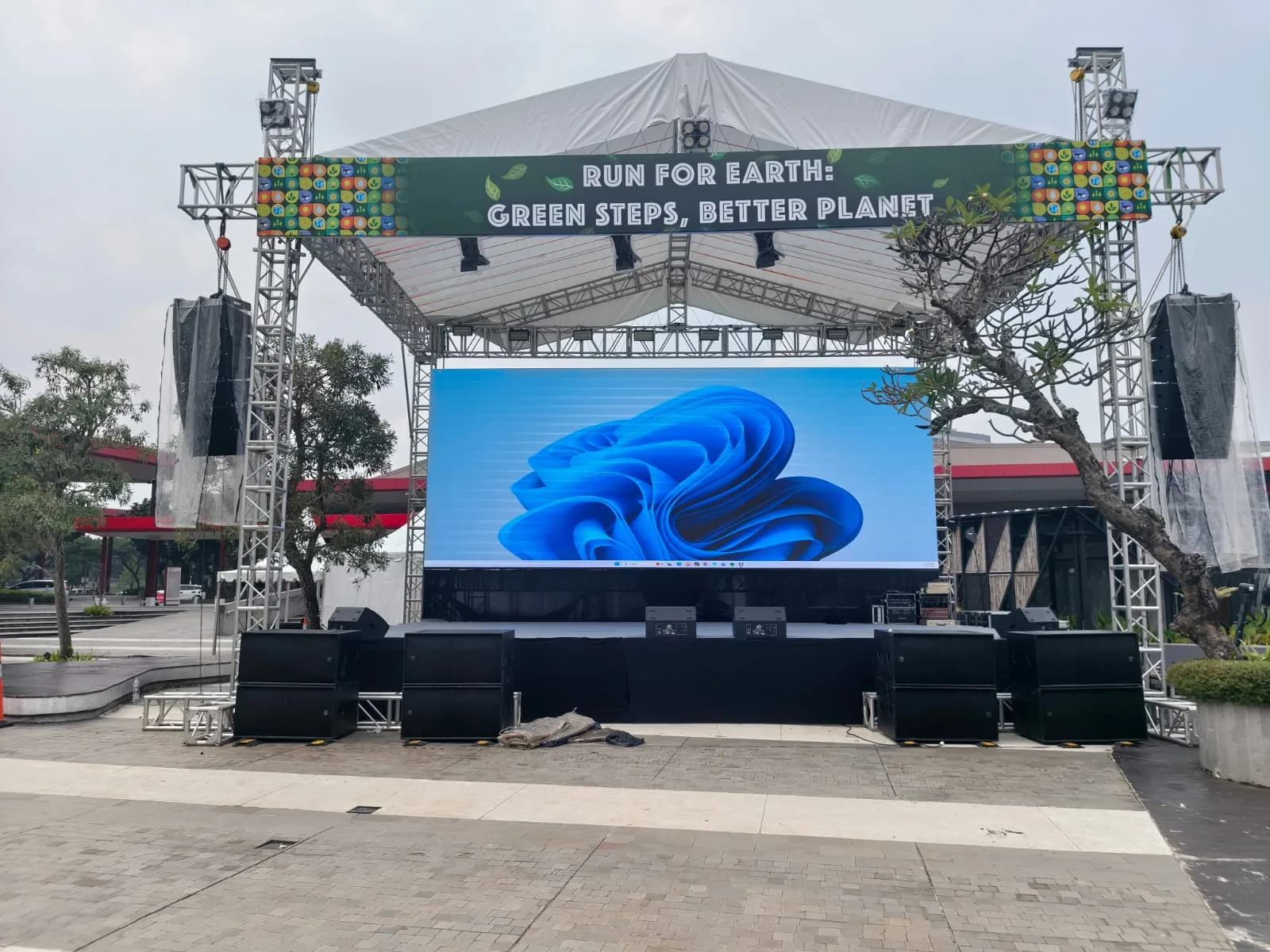
The project photographs from Run For Earth show an outdoor stage with an LED screen and line-array speakers, the LED screen lit at dusk, and runners gathered in front of the stage. At a running event, the stage is the focal point before the start and after the finish. To plan a similar event, start with the participant rundown: when they gather, warm up, start and return to the stage area. This sequence shapes the technical schedule.
Setup schedules for morning or dusk events
Many running events start very early, so the stage, rigging and screen are usually installed the day before. That means equipment stays at an open site overnight and needs security and rain protection. For events that run into dusk, also plan lighting so the stage and gathering area remain visible. Make sure the running route and parking areas are not blocked by vehicles or cables during installation, and agree the latest time logistics vehicles may enter the site.
- Site access times for installation and permission from the site manager.
- Overnight security for equipment before event day.
- A weather plan for the stage, screen and operator area.
Sound for open areas and announcements
Outdoors, the MC's and warm-up instructor's voices need to reach a large, moving crowd. Line-array speakers are often used for coverage like this, while the start, finish or race pack collection areas may need separate speakers. Share the size of the gathering area and the announcement points so sound coverage can be planned. Also consider wind direction and nearby housing, especially for events that begin before sunrise.
LED screens in daylight
An outdoor LED screen must be bright enough to stay readable in morning sunlight. Decide what the screen shows, such as a start countdown, sponsors or replays, and who operates it. The stage's orientation to the sun also affects how comfortably participants can watch the screen and stage. An outdoor screen structure must also allow for wind, so the mounting method, ballast or rigging should be discussed with the site manager early on.
- Stage and screen orientation relative to the sun during the event.
- A list of screen content in rundown order.
Send one brief the team can work from
Combine the date, venue, access times, layout, rundown and technical requirements in a single version of the brief. Attach the site map, start and finish points, and the proposed stage position. Separate essential items from optional extras still under consideration, and mark anything not yet final. Also include a contact who can be reached during preparation. Princess sales prepares a quotation after discussing these details with you, so the equipment and crew list follows the actual conditions of your event.